
Your cart is currently empty!
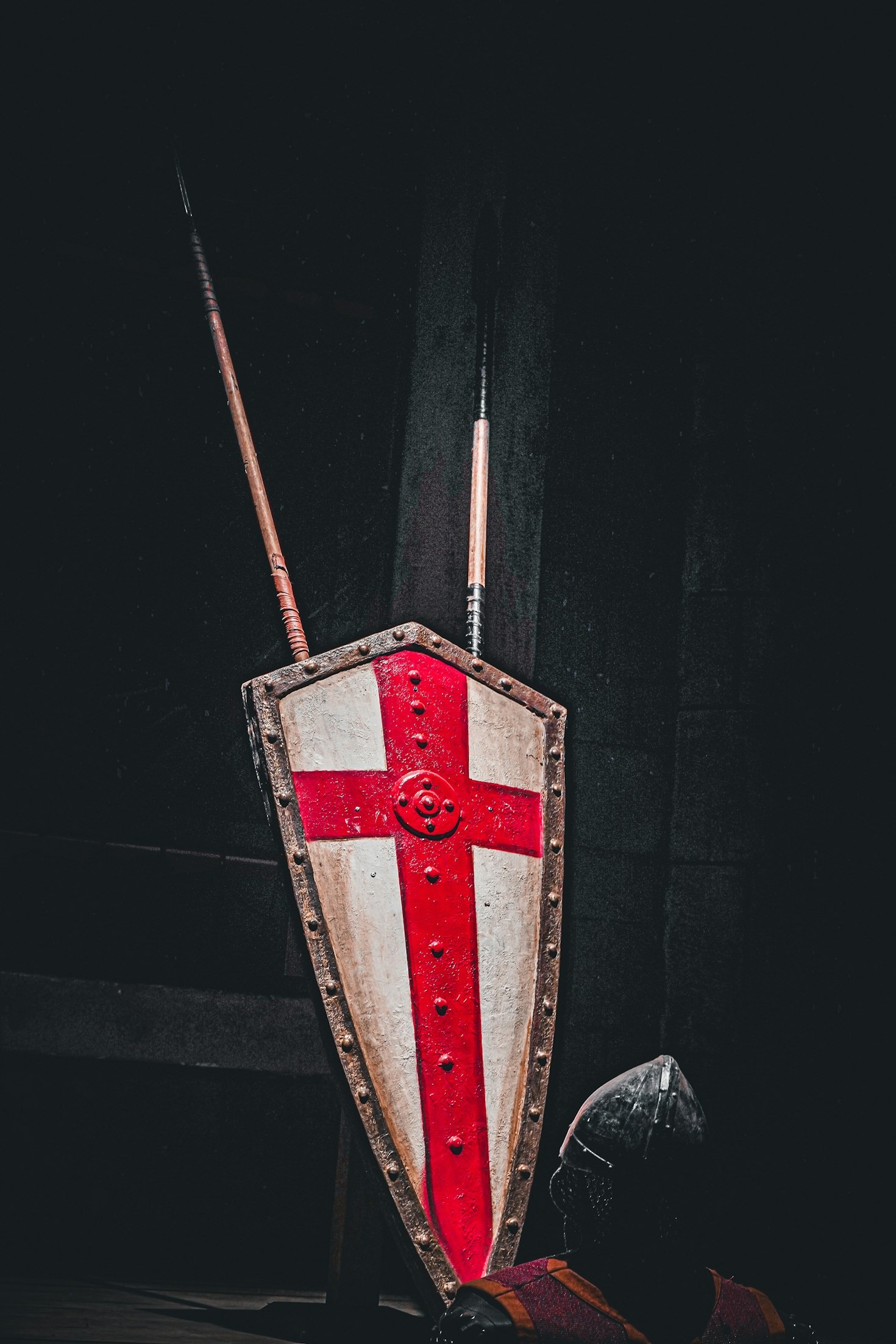
When I chose to set Heretic Knight: Harbinger of Light in the Albigensian Crusade, I knew I was stepping into one of history’s deepest wounds—religion turned into a weapon. The clash between Catholic orthodoxy and the so-called heretics of Languedoc wasn’t just about doctrine. It was about power, politics, and survival. And it left rivers of blood in its wake.
In writing historical fiction, the challenge is to give flesh and breath to people who lived under the weight of such conflict. What did it feel like to be a knight commanded to kill in the name of God, while his conscience whispered otherwise? What did it mean to be a woman branded a heretic for questioning authority, or a villager caught between crusaders and Cathars with no safe ground to stand on? These questions shaped every chapter I wrote.
For John de Ontivero and his men, the struggle was not only with swords but with souls. Could they remain faithful to God while rejecting the cruelty demanded by the Church’s authority? Could they preserve their humanity in a system that demanded blind obedience? That inner conflict—between devotion and doubt, loyalty and conscience—is at the heart of the novel.
Historical fiction allows us to hold a mirror to our present through the lens of the past. Religious conflict is not confined to the Middle Ages; its echoes reach into our own time. By revisiting a story like Béziers, we are reminded how easily zeal can harden into violence, and how fragile the line is between faith that uplifts and faith that destroys.
I wrote Heretic Knight not to vilify religion, but to show its power—both to heal and to harm. In turbulent times, faith can be a refuge or a blade. The story asks: which will we choose?
Leave a Reply
You must be logged in to post a comment.