
Your cart is currently empty!
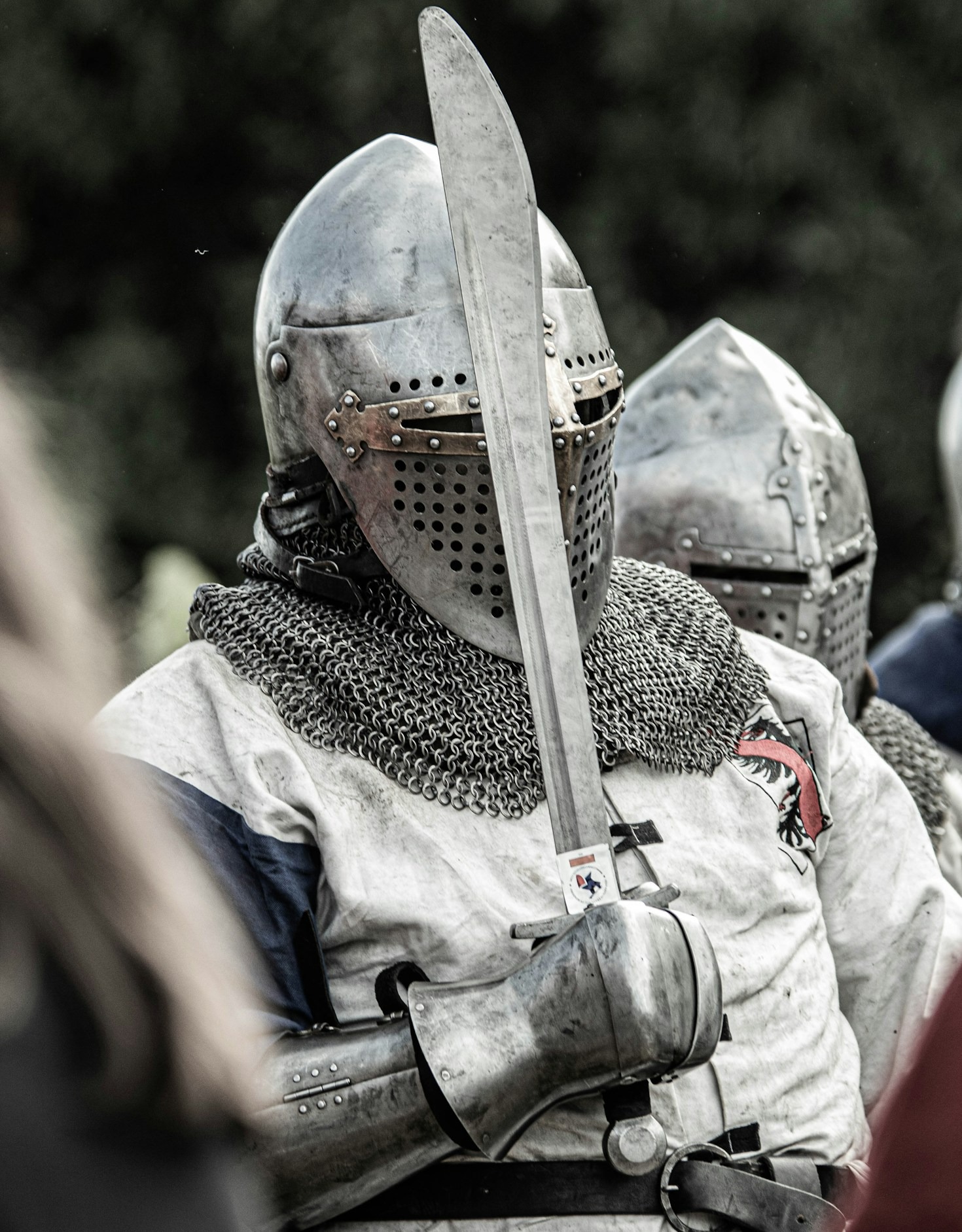
Every story that wrestles with history eventually circles the same question: how do ordinary people survive when the world around them crumbles? Heretic Knight: Harbinger of Light was born from that tension. The Albigensian Crusade was not just a clash of faiths or armies; it was a storm that swept away villages, families, and centuries of culture in a single generation. Survival became both a physical struggle and a matter of the soul.
While writing, I kept asking: what does survival look like for different people? For John de Ontivero and his knights, it meant holding on to honor when obedience to authority demanded cruelty. For Ysabeau, survival was escape—from servitude, from injustice, from the silence forced upon her. For Reggeye, survival was impulsive and reckless, a fight to prove himself in a world that seemed ready to consume him. For the townsfolk of Béziers, survival sometimes meant nothing more than hiding in shadows or clinging to one another as the world collapsed.
The research reminded me that survival in those times wasn’t neat or noble. It was messy. People compromised, resisted, hid, fought, and prayed—often in the same breath. The brutality of history strips away romantic notions, but it also reveals the resilience of the human spirit. That’s what I wanted to capture: the moments when survival is not just about drawing breath but about preserving dignity, love, and conscience.
In today’s world, the turbulence may look different—political unrest, cultural shifts, personal crises—but the theme remains strikingly relevant. How do we hold on to our convictions when pressure mounts? How do we protect those we love when systems of power seem too vast to oppose? Heretic Knight doesn’t offer easy answers, but it places us in the dust and fire of history to remind us that survival is more than endurance—it’s the choice to live as light in the darkest of nights.
Leave a Reply
You must be logged in to post a comment.